The PlanktoScope V3
An innovative, open-source microscope revolutionizing the way researchers image and analyze plankton.
Designed for precision, sustainability, and ease of use powered by FairScope.
LATEST DEVELOPMENTS
Introducing the PlanktoScope V3
Faster processing, rugged architecture, and three interchangeable optical paths to cover the 10 to 400 µm biological spectrum.
The PlanktoScope V3 is a platform designed for precise, quantitative, and qualitative imaging of plankton communities. With its advanced flow-through technology, it enables real-time observation of aquatic microorganisms in motion. Ideal for both laboratory experiments and monitoring natural environments.
HOW IT WORKS?
The Pipeline of the PlanktoScope
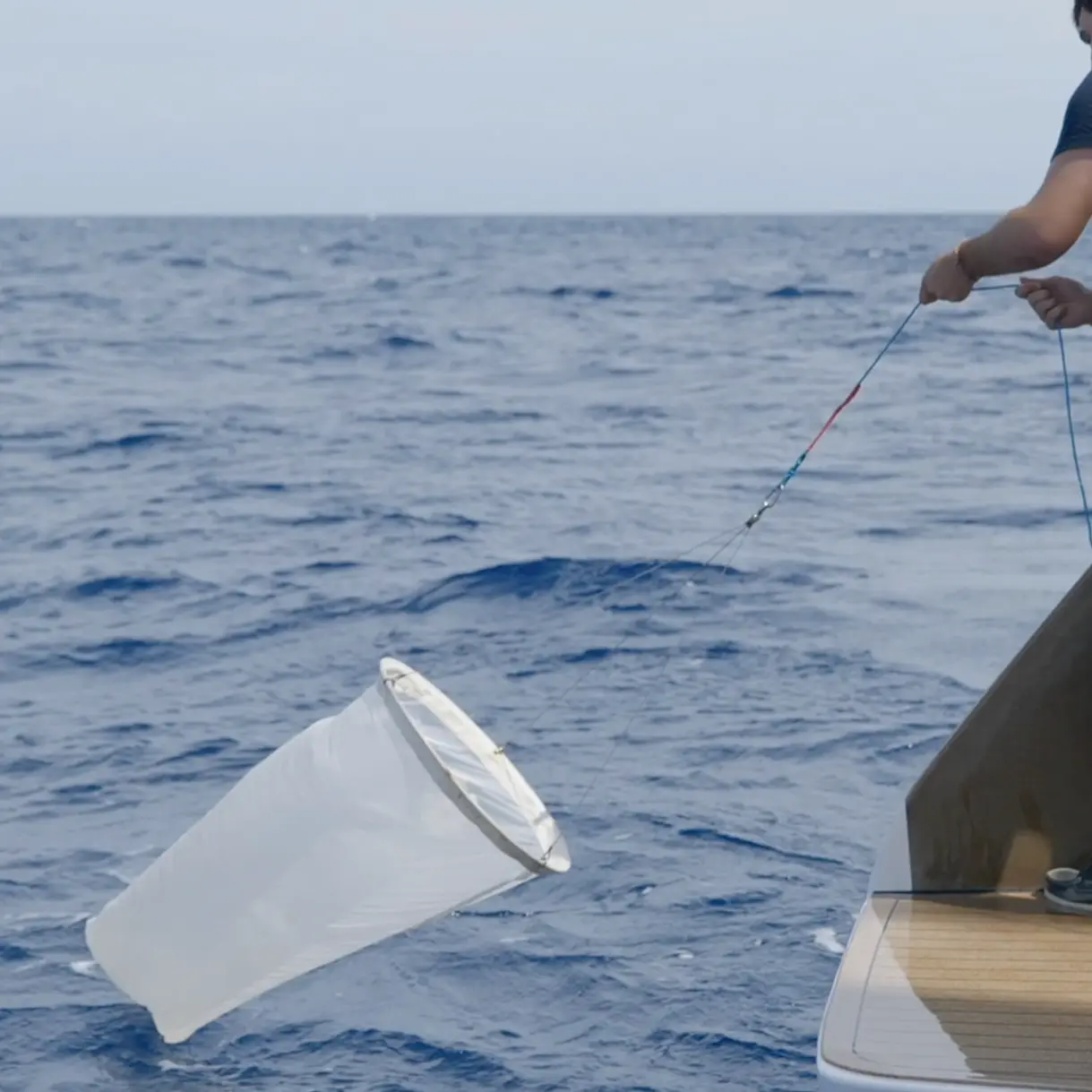
Sampling
Prepare equipment, collect the water sample and load it into the PlanktoScope.
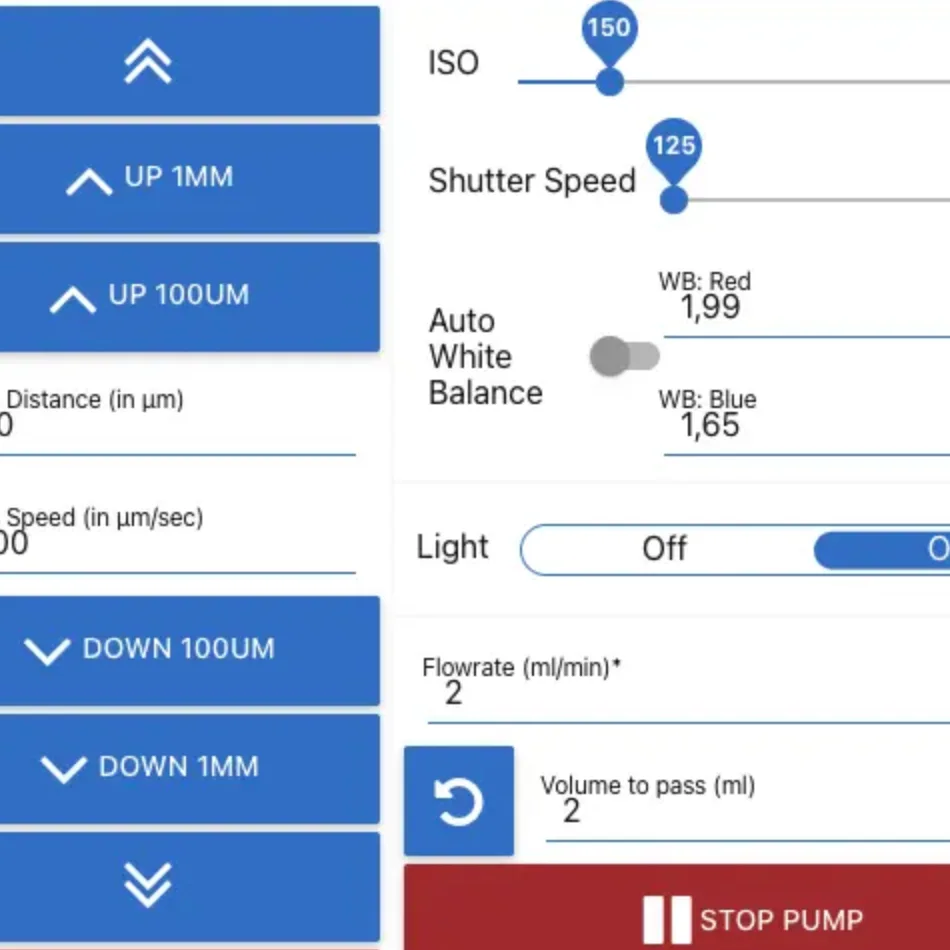
Control
Operate the acquisition process through a user-friendly interface.
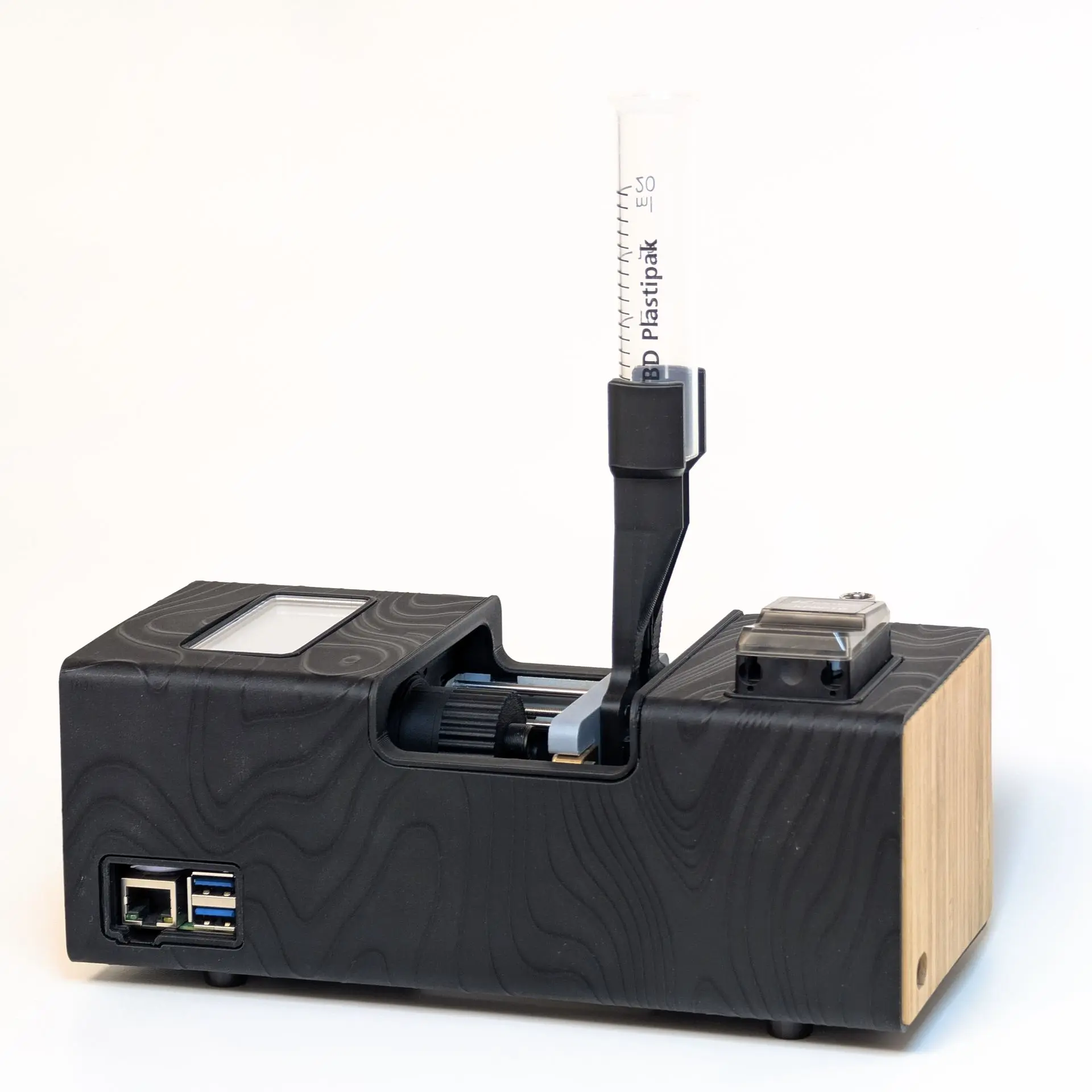
Acquisition
Capture continuous, high-resolution images of microorganisms in flow, powered by our precision fluidics.
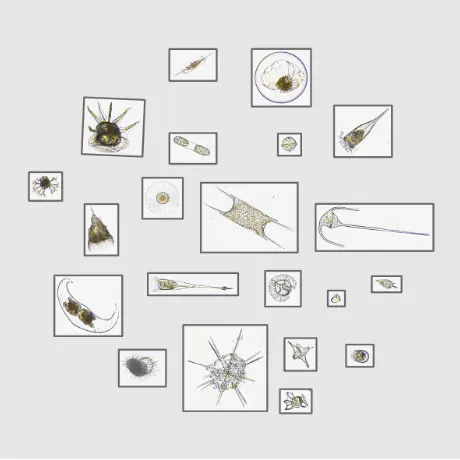
Segmentation
ROIs and metadata are extracted from raw images using our software.

Upload
Upload segmented data to EcoTaxa for classification and dataset building.
KEY FEATURES
Designed for Aquatic Research
Multi-Scale Imaging
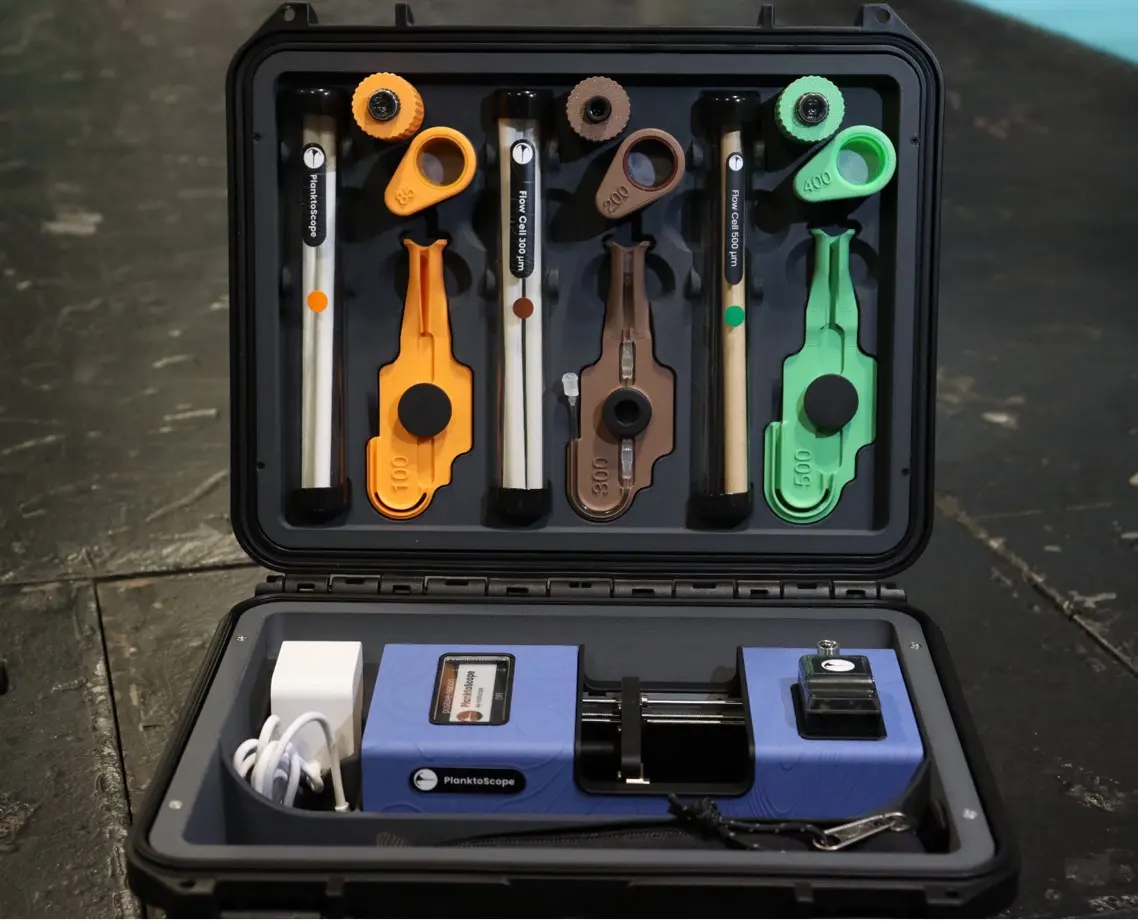
Thanks to the magnetic mounting system, optical configurations can be exchanged in just a few minutes, making it easy to adapt the instrument to different applications and target size ranges.
- Optic-Line 100 – 10–85 µm
- Optic-Line 300 – 50–200 µm
- Optic-Line 500 – 100–400 µm
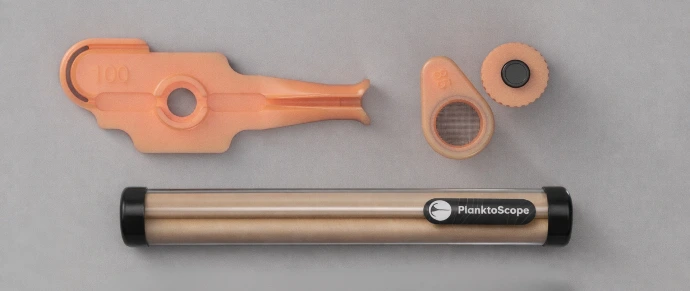
Optic-Line 100
Optimized size range : 10 to 85 µm
- Flowcell : Pack of 5 - 100 µm
- Flowcell holder : 100
- Sieve : 85 µm
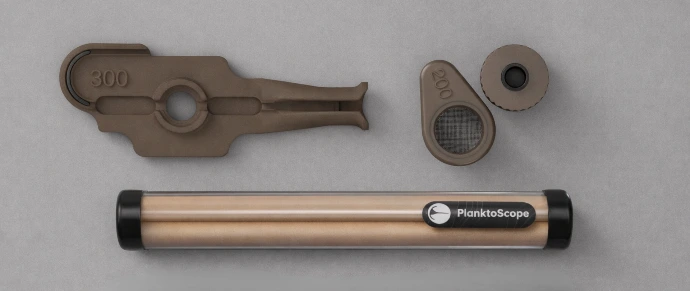
Optic-Line 300
Optimized size range : 50 to 200 µm
- Flowcell : Pack of 5 - 300 µm
- Flowcell holder : 300
- Sieve : 200 µm
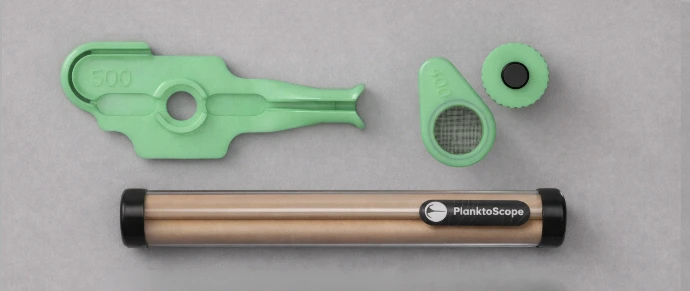
Optic-Line 500
Optimized size range : 100 to 400 µm
- Flowcell : Pack of 3 - 500 µm
- Flowcell holder : 500
- Sieve : 400 µm
Enhanced Computing Power
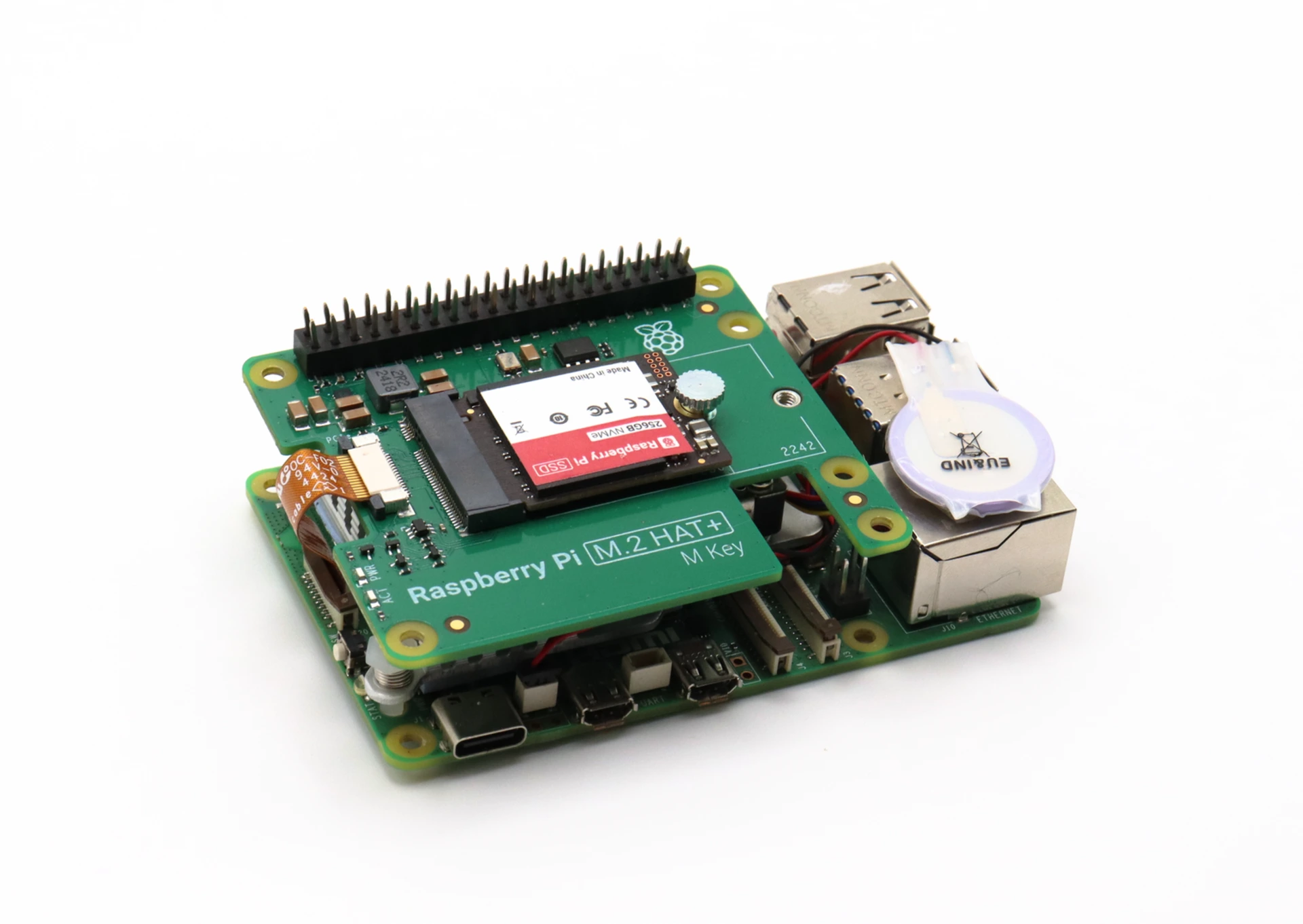
The V3 isn't just an update; it's a complete hardware evolution. By integrating the Raspberry Pi 5 and high-speed SSD storage, we’ve eliminated bottlenecks.
- 4x Faster Processing: Capture, segment, and upload data in record time.
- Reliability: No more SD card failures—the integrated SSD ensures industrial-grade data integrity.
Ultra-Portable Lab Architecture
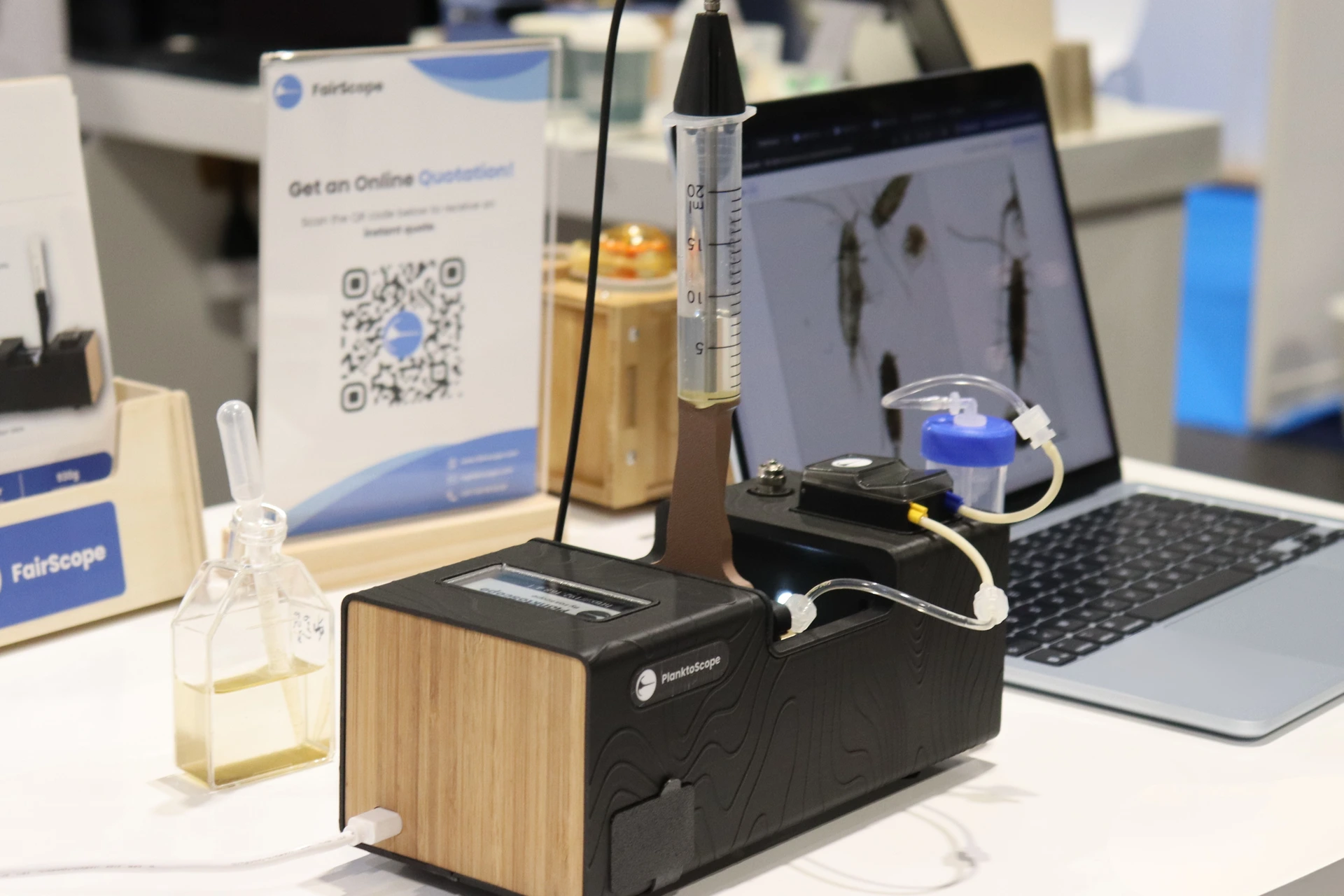
The V3 was built based on feedback from the global scientific community. Whether you are performing high-frequency time series in mesocosms or standardized surveys on research vessels, the PlanktoScope V3 delivers volumetric precision without the bulk of traditional microscopes. It also features enhanced stability, with a new carbon-steel frame designed for the most demanding field expeditions.
Automated Sample Homogenization
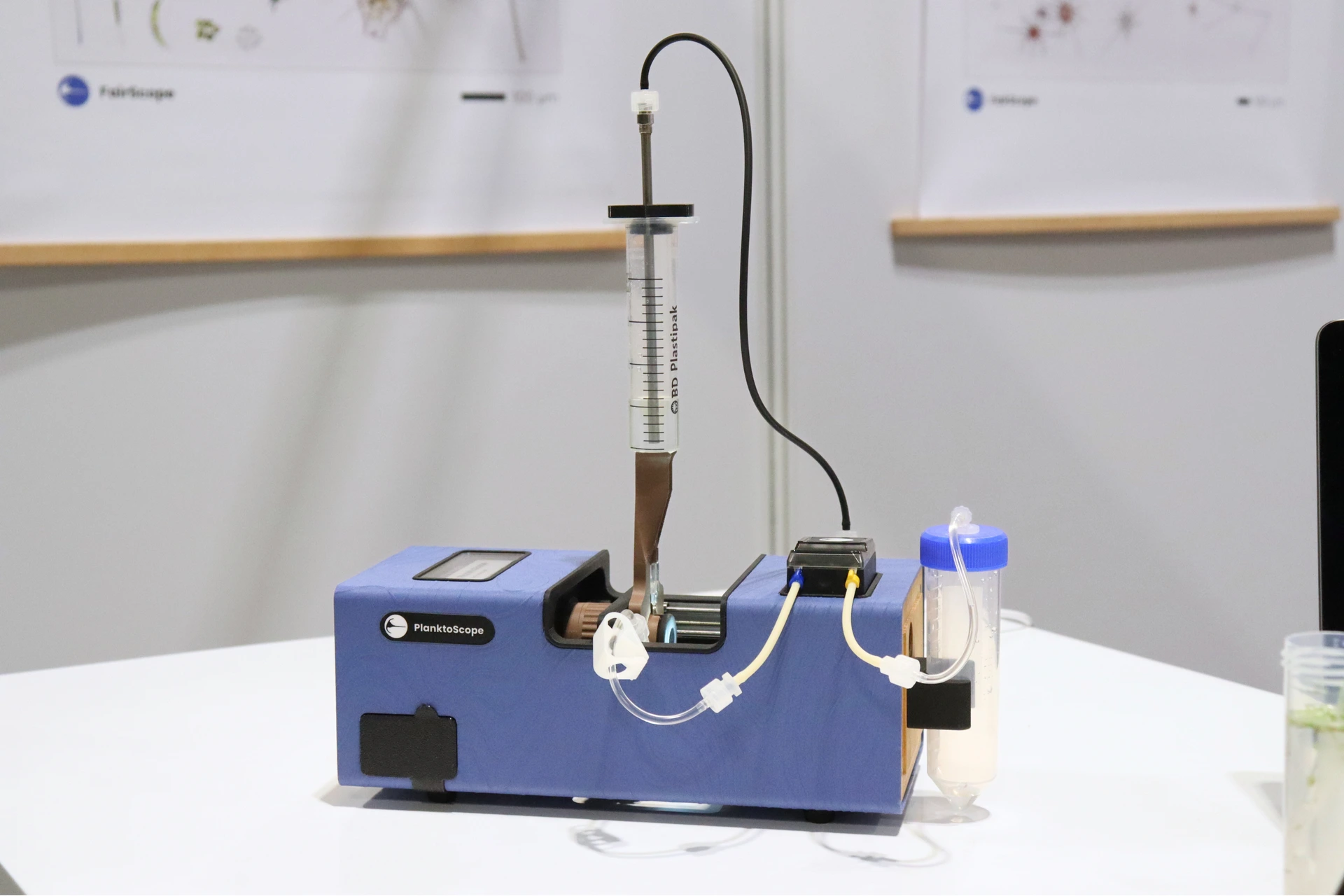
The integrated internal bubbler ensures consistent sample representation for 100% autonomous marine monitoring and minimizes sedimentation bias automatically.
Order the PlanktoScope V3
The latest version of the PlanktoScope is now available to order. Please complete the form to request a quote.
SPECIFICATIONS
Technical Specifications of the V3
General
Size Box(WxHxD): Weight Box: Size PlanktoScope 3.0 (WxHxD): Weight PlanktoScope 3.0 : Material: | 336 mm x 300 mm x 148 mm 3.8kg 232 mm x 110 mm x 105 mm 930g PLA-CF (Carbon Fiber Reinforced)
|
Electronic
HAT Version: Power: Accessible Ports: Computer: Memory: Storage: Real Time Clock:
| PlanktoScope HAT v.3.3 USB-C PD (5.1V / 5A) – Power Bank Compatible Ethernet, 2 HDMI, 2 USB 3.0 & SD Card Raspberry Pi 5 (Quad-core Cortex-A76 @ 2.4GHz) 8 GB LPDDR4X 256 GB NVMe SSD (PCIe Gen 2) Yes |
Camera
Camera: Sensor: Still resolution: | Raspberry Pi High Quality Camera Sony IMX477 (Back-illuminated, 12.3 MP) 12.3 megapixels |
Optic
Configuration: | Optic-Line 100 | Optic-Line 300 | Optic-Line 500 | |
Optical resolution: | 1.23 µm | 1.74 µm | 2.76 µm | |
Field of view (W): | 2 135 µm | 3 070 µm | 5 430 µm | |
Field of view (H): | 1 600 µm | 2 300 µm | 4 070 µm | |
Pixel density: | 1.90 px/µm | 1.32 px/µm | 0.75 px/µm | |
Depth of field: | 75 µm | 125 µm | 180 µm |
Fluidic
Flow cell thickness: | 100 µm | 300 µm | 500 µm | |
Identification: | >10 µm | >50 µm | >100 µm | |
Filtration threshold: | <85 µm | <200 µm | <400 µm | |
Volume per image: | 0.34 µL | 2.12 µL | 11.05 µL |
Tubing composition: | Tygon S3 - Contains no BPA or phthalates |
Tube connector: | Luer Lock |
Optic
Configuration: | Optic-Line 100 | Optic-Line 300 | Optic-Line 500 | |
Optical resolution: | 1.23 µm | 1.74 µm | 2.76 µm | |
Field of view (W): | 2 135 µm | 3 070 µm | 5 430 µm | |
Field of view (H): | 1 600 µm | 2 300 µm | 4 070 µm | |
Pixel density: | 1.90 px/µm | 1.32 px/µm | 0.75 px/µm | |
Depth of field: | 75 µm | 125 µm | 180 µm |
Fluidic
Flow cell thickness: | 100 µm | 300 µm | 500 µm | |
Identification: | >10 µm | >50 µm | >100 µm | |
Filtration threshold: | <85 µm | <200 µm | <400 µm | |
Volume per image: | 0.34 µL | 2.12 µL | 11.05 µL |
Tubing composition: | Tygon S3 - Contains no BPA or phthalates |
Tube connector: | Luer Lock |
FAQ
Frequently Asked Questions
In this section, you will find the answers to the most frequently asked questions about the PlanktoScope V3.
The PlanktoScope uses flow-through imaging technology to capture high-resolution images of plankton samples in motion. A sample is introduced into the fluidic system, where it passes through a flowcell. The optical system, powered by a Raspberry Pi, captures and processes images in real-time. The data can be accessed via an open-source software interface from any WiFi-enabled device. Additionally, the PlanktoScope is compatible with EcoTaxa, an online platform for classifying and analyzing plankton images, making data sharing and automated identification easier.
The PlanktoScope is designed to be user-friendly. Basic technical knowledge is required for setup, but detailed documentation and a supportive community are available to help users get started.
Yes, we ship worldwide. Shipping costs and delivery times depend on the destination.
Yes, the Planktoscope is able to provide qualitative information with the acquired images (the identification of particles and/or species must be done with another tool such as Ecotaxa). The Planktoscope takes into account the "imaged volume" which is useful to calculate the densities of the categories of identified objects.
Yes, absolutely. The PlanktoScope V2.6 remains available for purchase throughout 2026. To ensure the long-term viability of your equipment, we commit to maintaining technical support and supplying spare parts for this version, starting in 2027.
GUARANTEES
Certifications and Commitments

Compliance with European regulations.

Free from hazardous substances.

Sustainable materials to minimize waste.

Guidelines for end-of-life recycling.