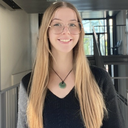
Loay Jabre began his scientific path with a PhD at Dalhousie University in Canada, followed by a postdoc at the Woods Hole Oceanographic Institution. He has now returned to New Brunswick to start a faculty position and a new lab at Mount Allison University.
He works on marine microbes — mostly eukaryotes — with a strong focus on diatoms. His research is split between the lab and the field, combining microbial ecology, biogeochemistry and omics (such as proteomics). As he explains, “In the omics world, people tend not to look at the organisms they’re studying. I want to see them, see where they live and how they live.”
That curiosity, combined with an interest in accessible scientific tools, is what led him to the Planktoscope.
Building Planktoscopes —The PlanktoSquad
While completing his PhD, Loay formed a small group and got funding from the university and other sources. With that support, they built three early Planktoscopes. The team called themselves the PlanktoSquad and the very first unit was affectionately named Planky.
“We built a few units, three in total, and it was a lot of fun. We learned a lot,” he says. “The idea was to get different people from different backgrounds — engineering, microbiology, computer science and so on to work together on building the units and using them.”
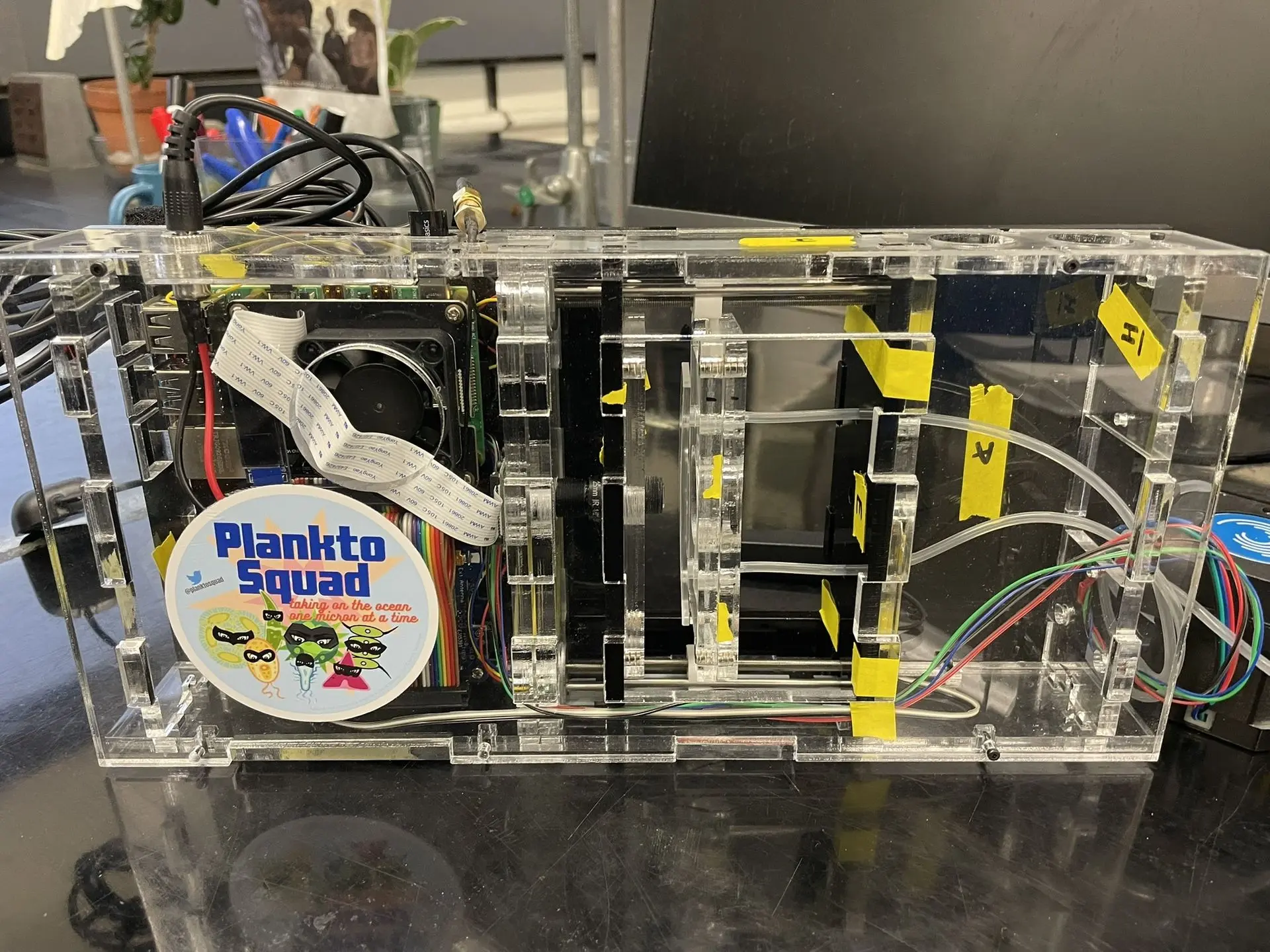
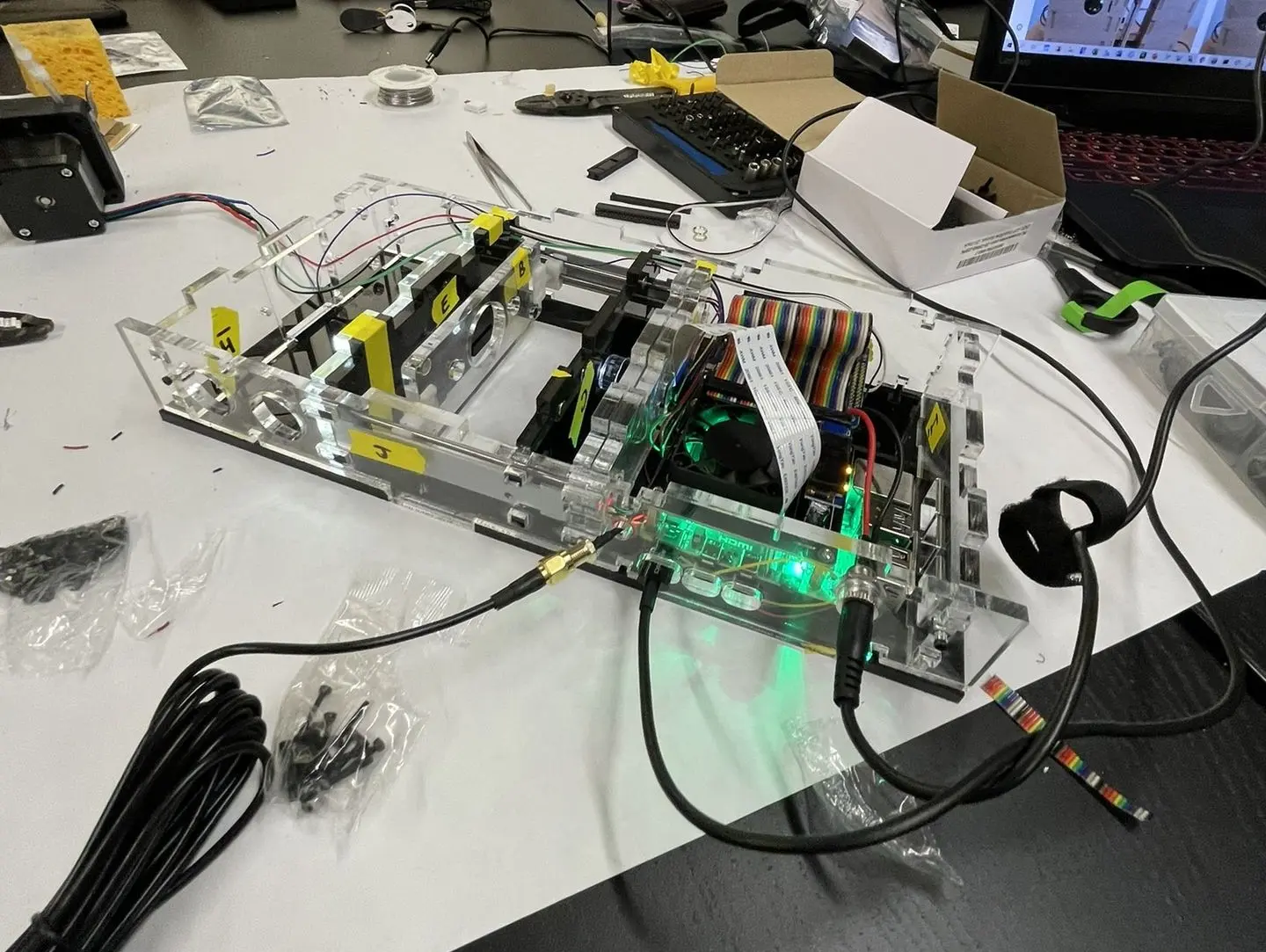
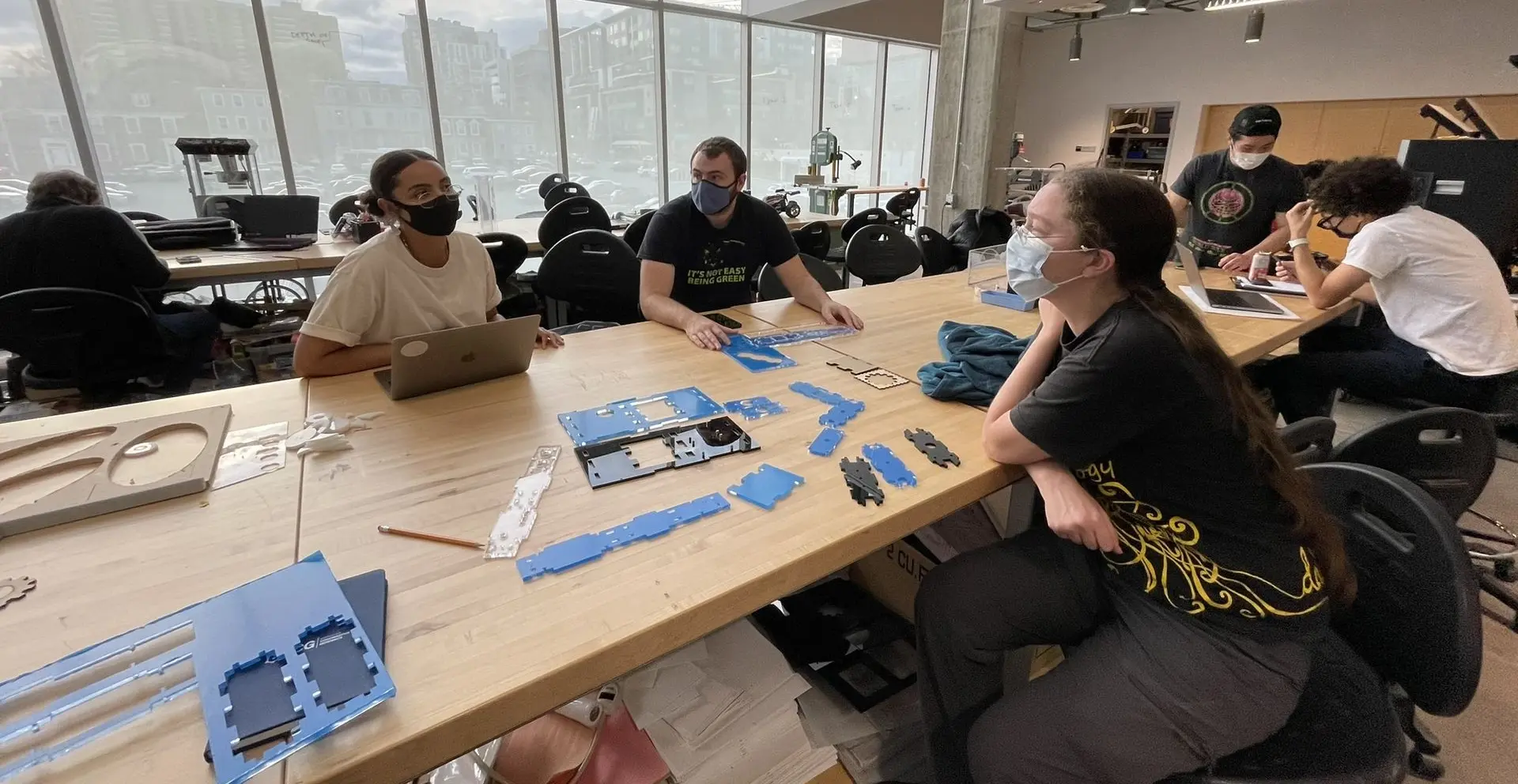
Photos credit: Loay Jabre.
Teaching and Research - British Virgin Islands
Soon after, during his postdoc, Loay obtained funding from BioGeoSCAPES to buy more Planktoscopes. One travelled with him to the British Virgin Islands, where he had once studied. At H. Lavity Stoutt Community College (who also acquired their own PlanktoScope), he developed and led a two-week course on marine microbial ecology, taking students into mangroves and salt ponds to observe microorganisms in their natural environment.
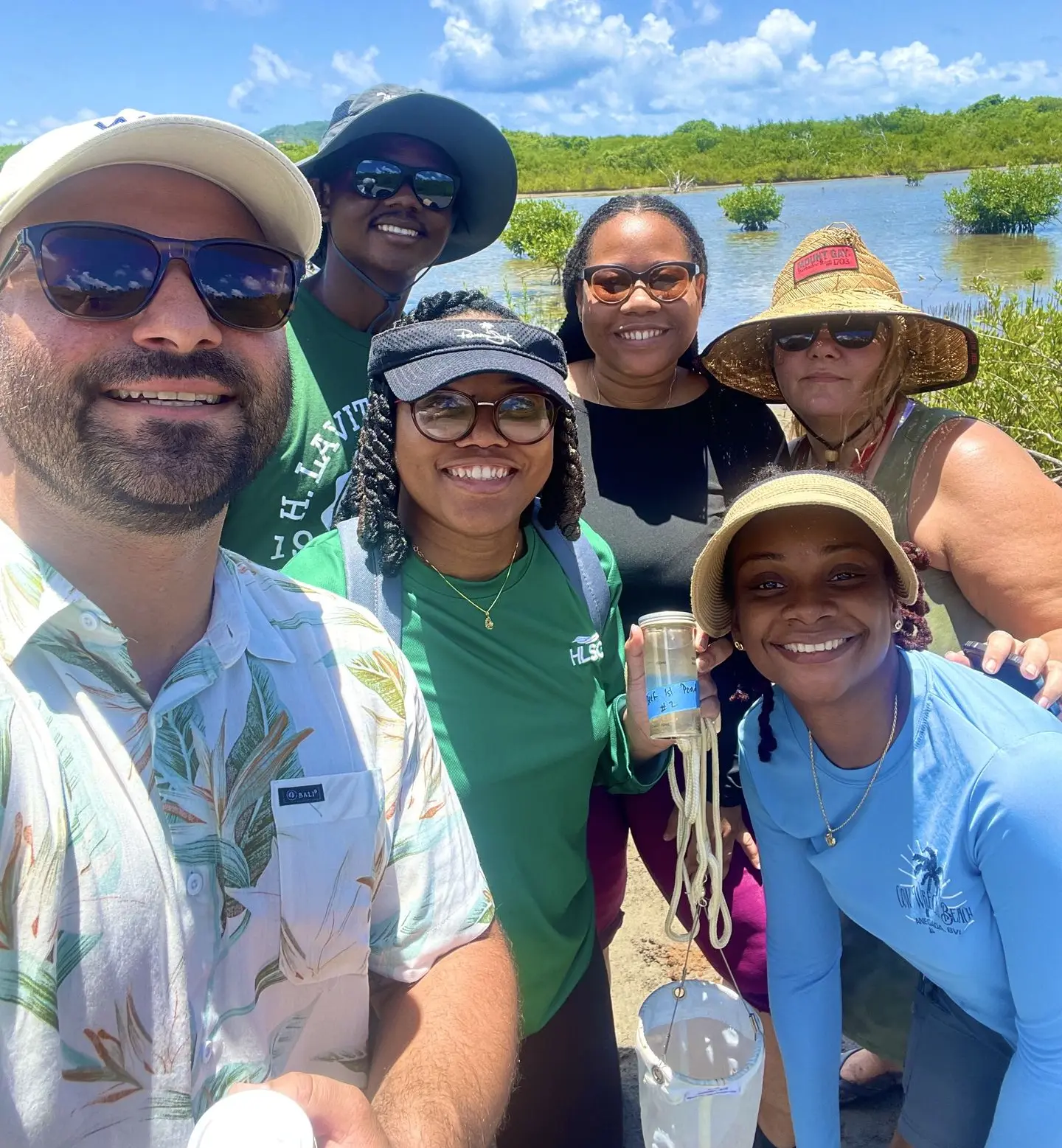
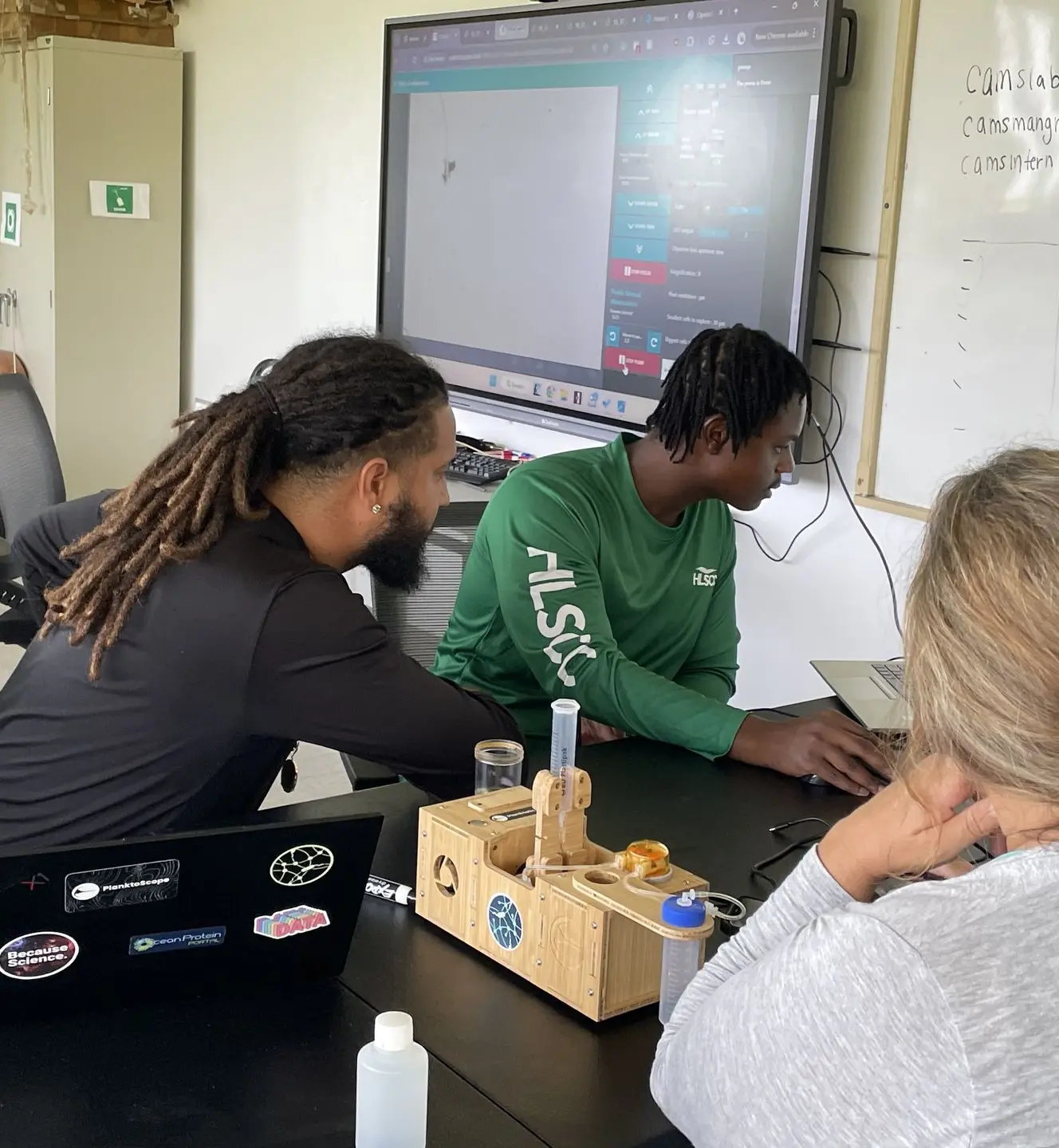
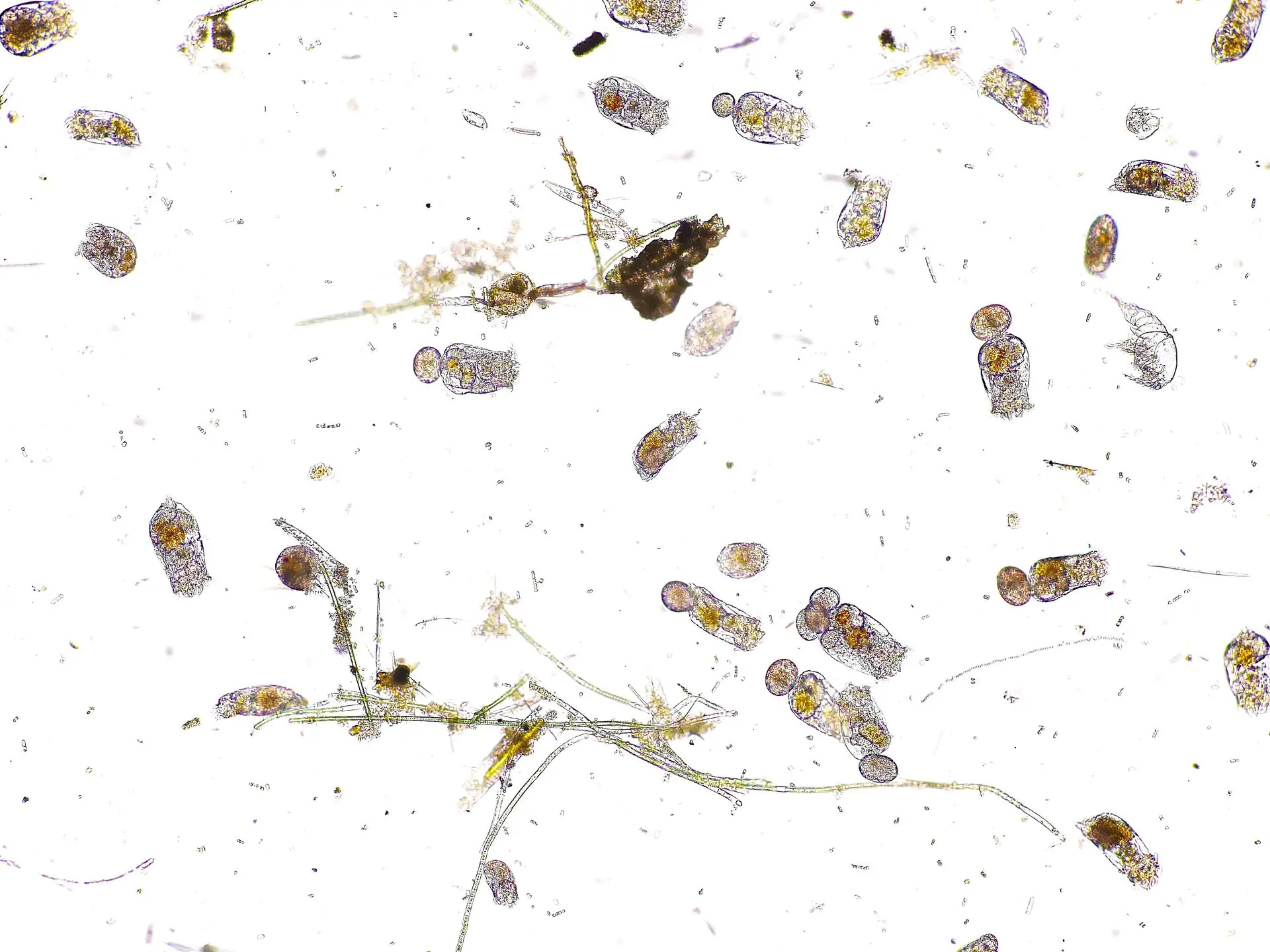
The course was as much about training as discovery: introducing students to tools like the Planktoscope, encouraging them to upload images to Ecotaxa (https://ecotaxa.obs-vlfr.fr/prj/13647), and helping them understand how small organisms shape larger ecosystems, such as flamingo habitats.
One PlanktoScope remains in place in the BVI, supporting local teams who now monitor the area every two weeks.
Photos credit: Loay Jabre.
Discoveries Through the Planktoscope
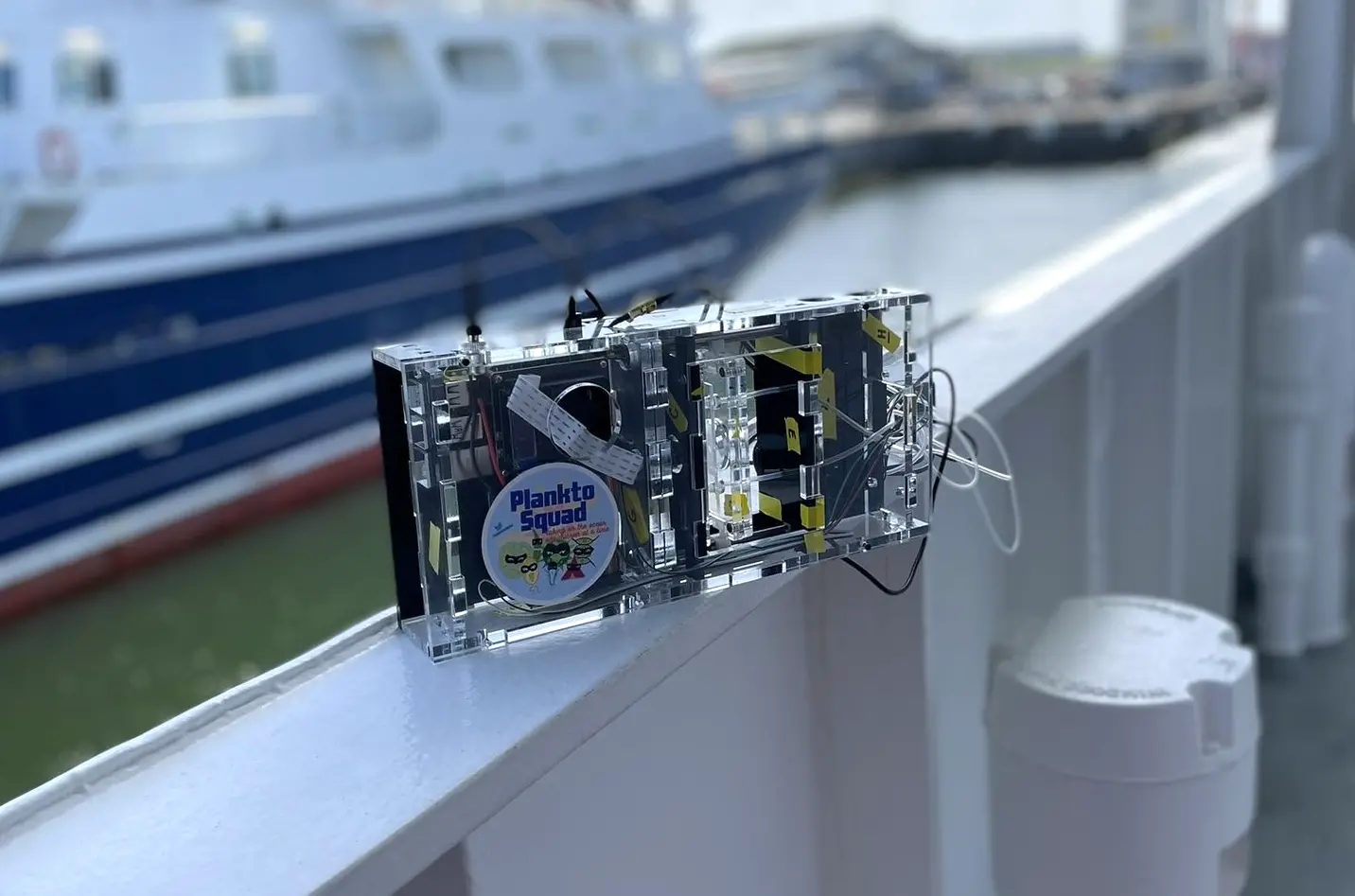
Loay’s Planktoscopes also joined scientific expeditions. On an Irish research vessel in the Northwest Atlantic, a puzzling problem — clogged filters — led him to deploy the device. It revealed a thick bloom of Phaeocystis, whose sticky cells explained the blockage.
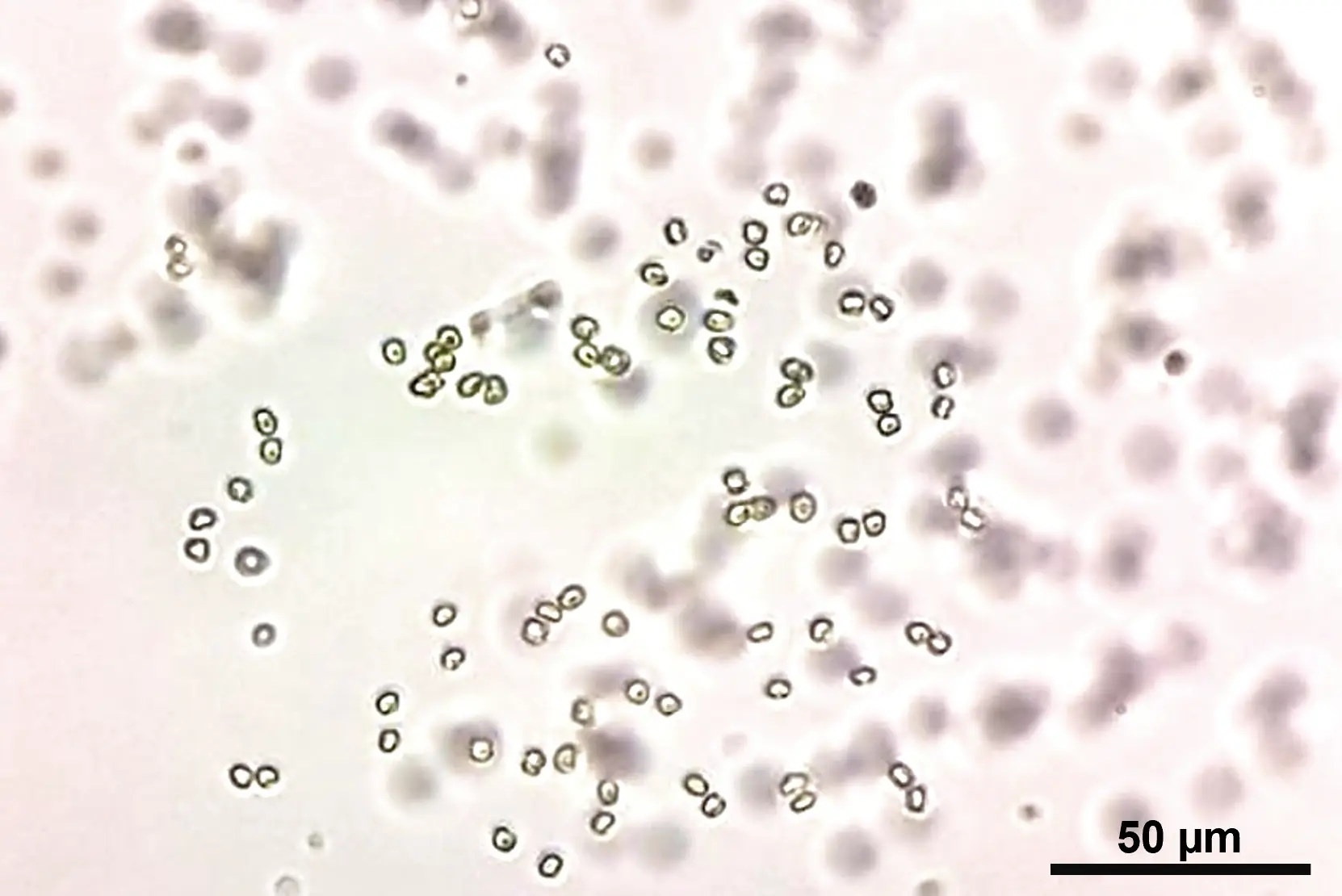
Photos credit: Loay Jabre.
On a later research cruise funded by C-CoMP (Center for Chemical Currencies of a Microbial Planet) from Bermuda to Woods Hole, he used the Planktoscope to document a massive Chaetoceros bloom near the North American coast. “The cells were so big you could actually see them with your eye,” he recalls, and the instrument helped him capture clear images of the phenomenon .
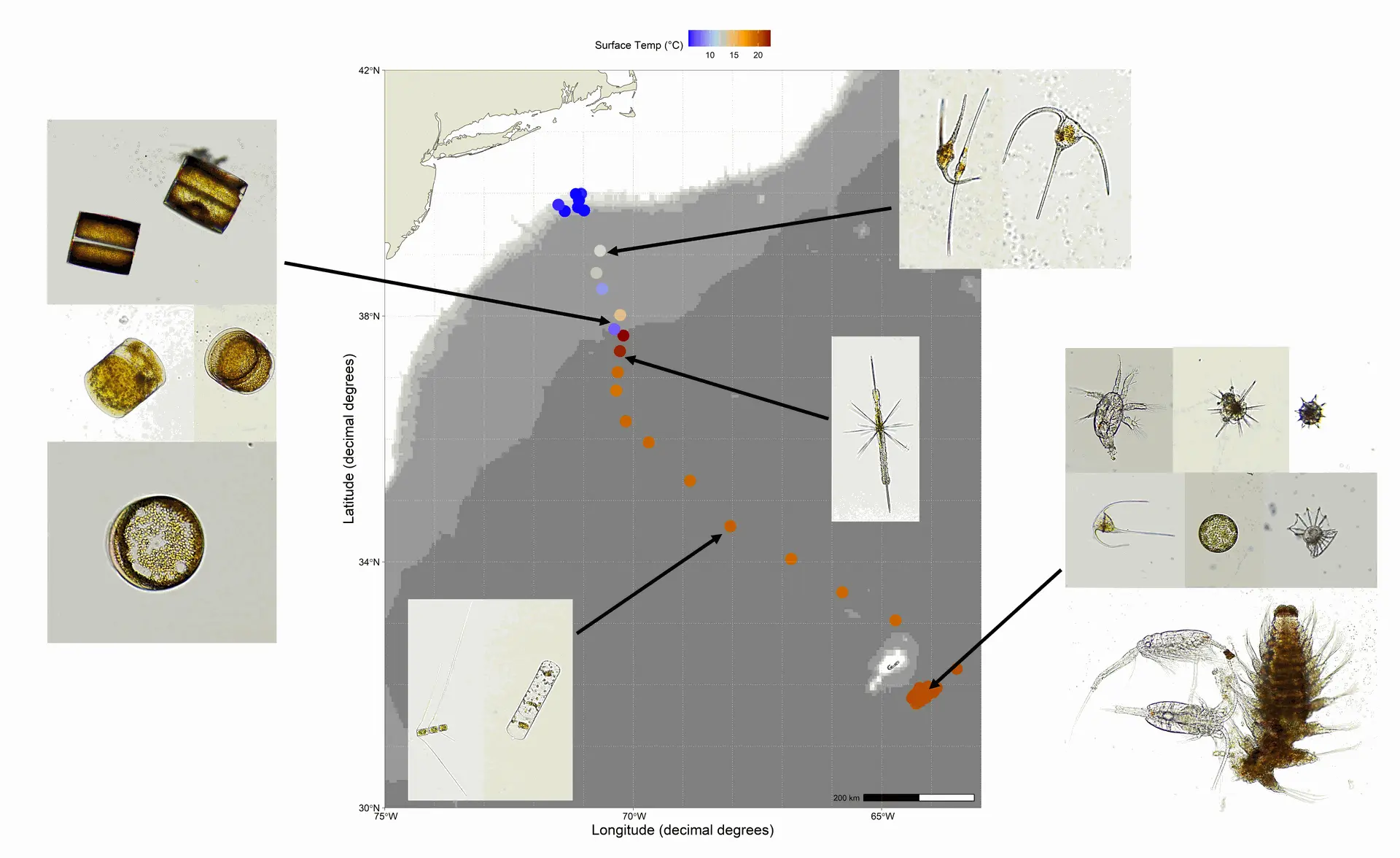
This map shows the microbial diversity observed through the PlanktoScope across the transit between the two sites.
Video and photo credit: Loay Jabre.
Expanding Access to Ocean Science - West Africa
Beyond research, Loay is committed to spreading accessible tools. Through the international BioGeoSCAPES program, he helped send two Planktoscopes to Nigeria and Ghana. Training materials first developed in the British Virgin Islands were adapted so universities and local communities could start using the devices for teaching and outreach.
“So far, most of the use has been qualitative — research, education, outreach,” he explains, “but the next steps in my new lab will be to use the Planktoscope for more quantitative data acquisition.”
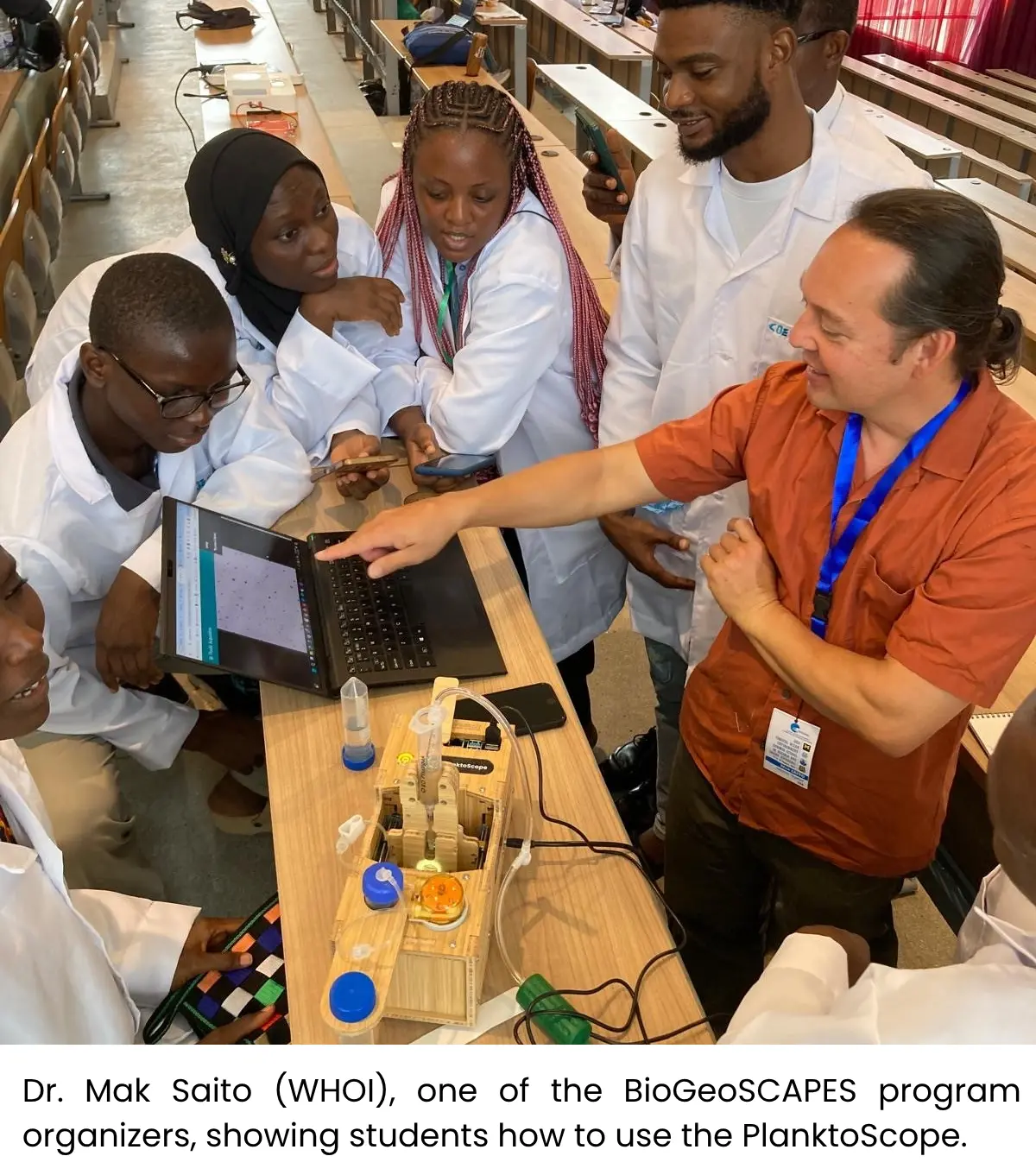
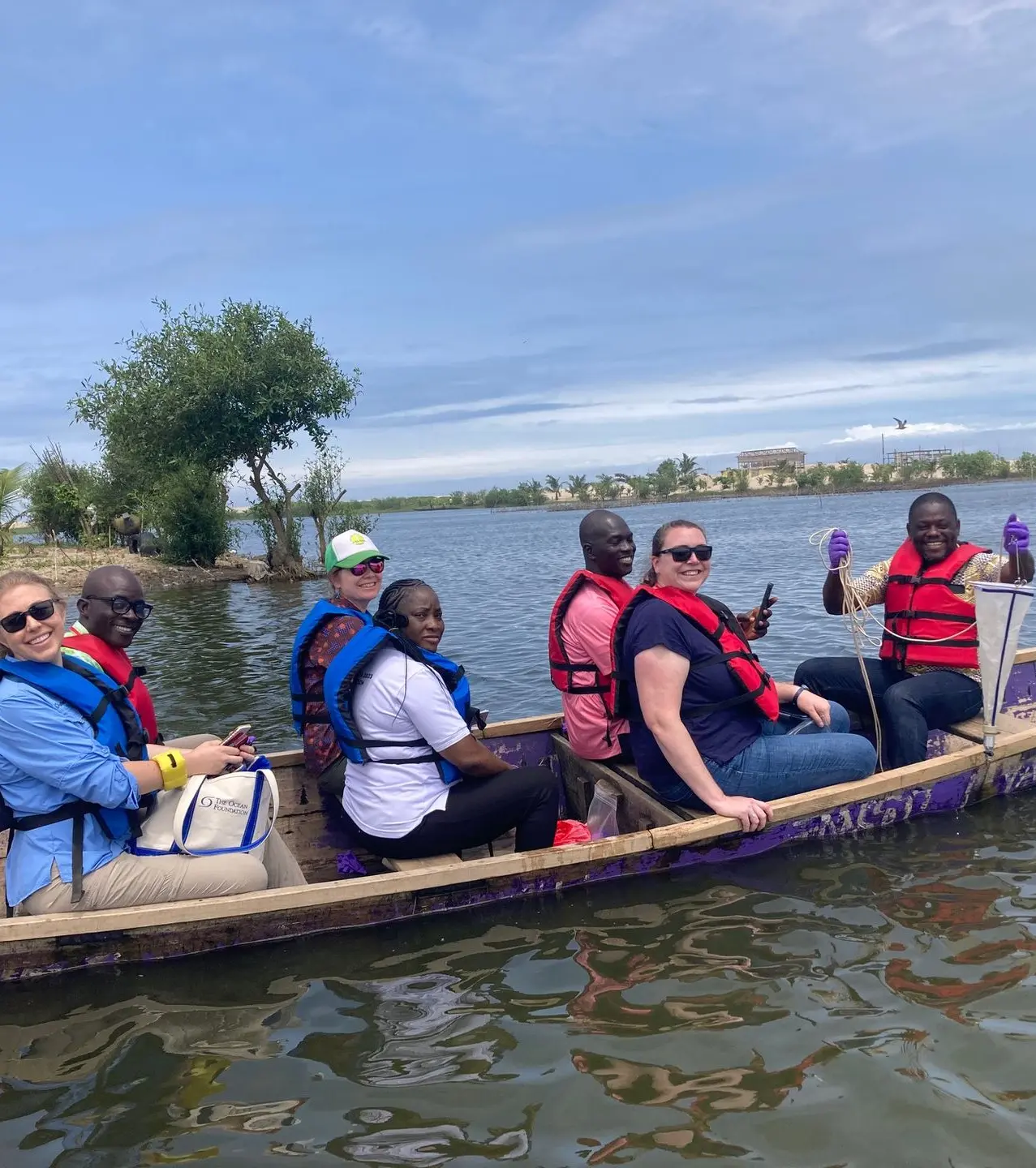
Photos credit: Katherine Roche, COESSING.
Looking Ahead
Now settling into his new position, Loay is building his lab and preparing to integrate the Planktoscope into both research and education. He wants to “ use the Planktoscope more in research applications in the lab and field, while also engaging students and local communities in accessible, hands-on science.”

Photo credit: McKenzie Powers.
📸 Header photo credit: Daniella Asturias.